Monastery website with news and practical information.
A contemplative sisters' monastery WordPress website: 40+ posts, two separate streams of writing, a weekly timetable with visiting hours, a gallery and donations with no middleman. One of the selected projects we build for free.
40+ poststhe sisters publish themselves, without a developer
In short
- Three entry points right under the opening frame: Mass times, practical information and the guest house
- Two streams of writing in one system: “What's new?” for the chronicle and “Readings” for reflections
- Practical information in one place: how to find us, visiting hours and the weekly timetable
- A gallery of three sets, handicrafts and monastery publications, each with its own contact
- The sisters manage the pages and posts themselves, without a developer
Related services
Screens
How it looks.
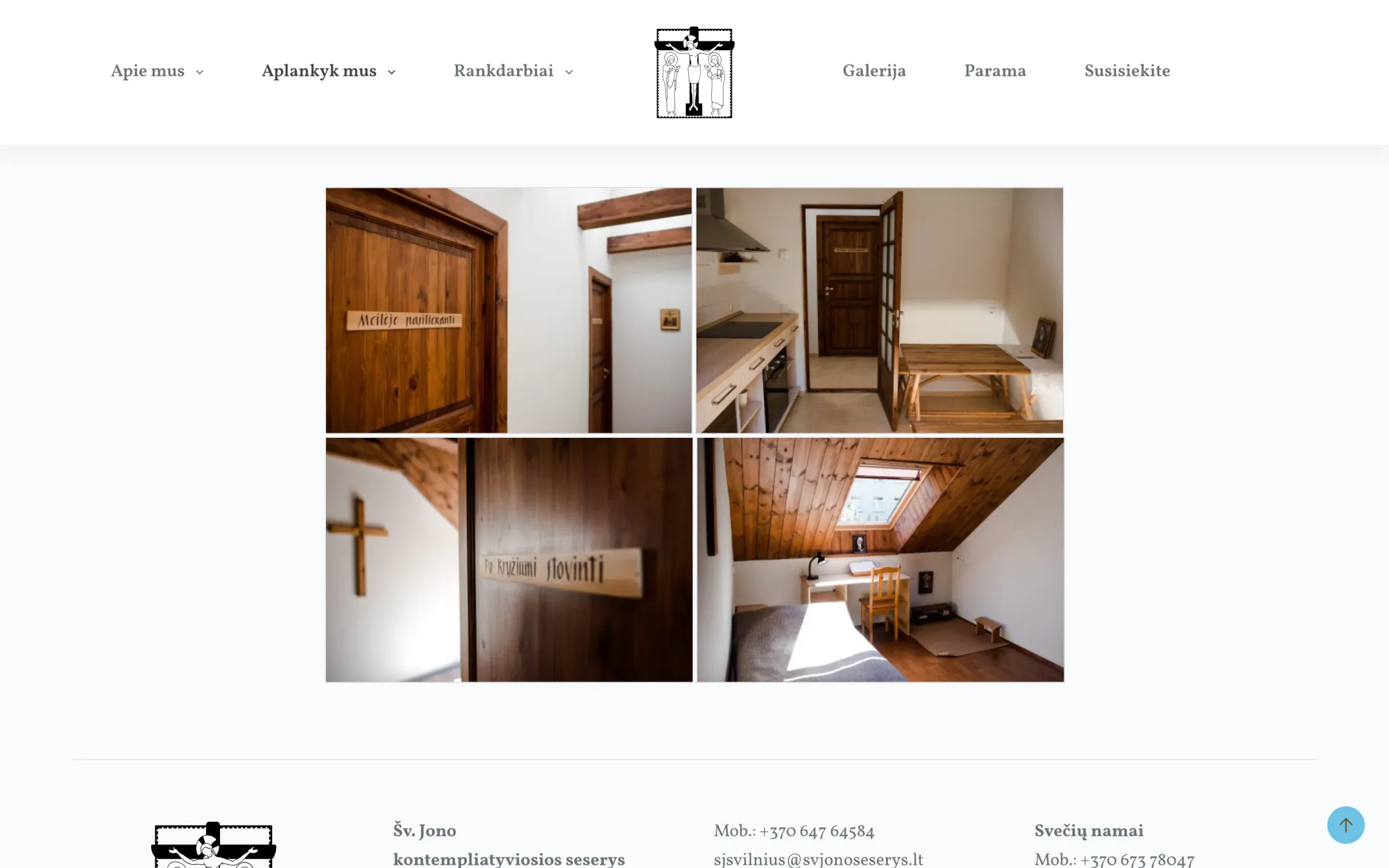
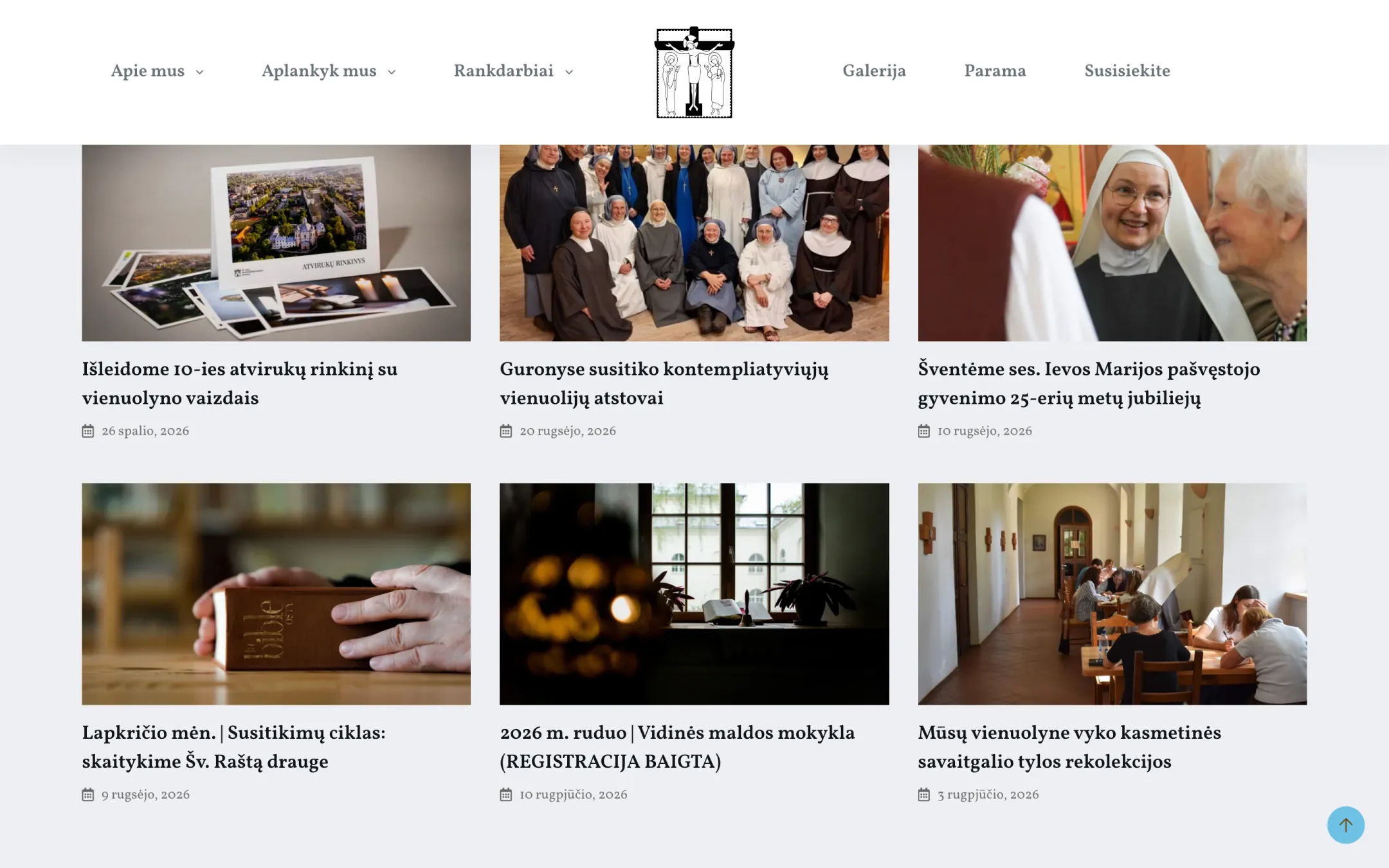
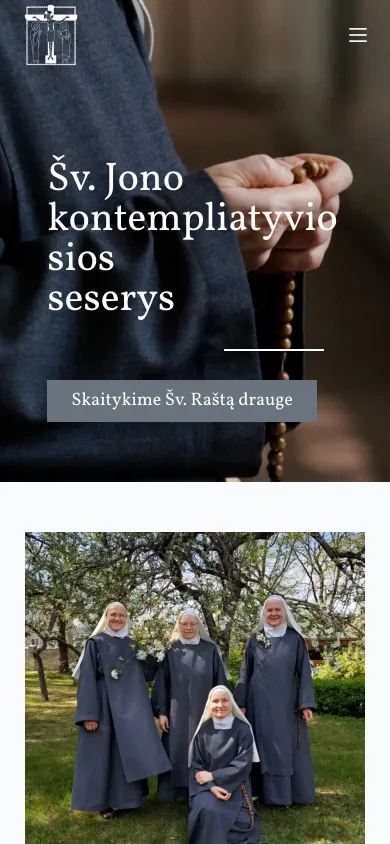
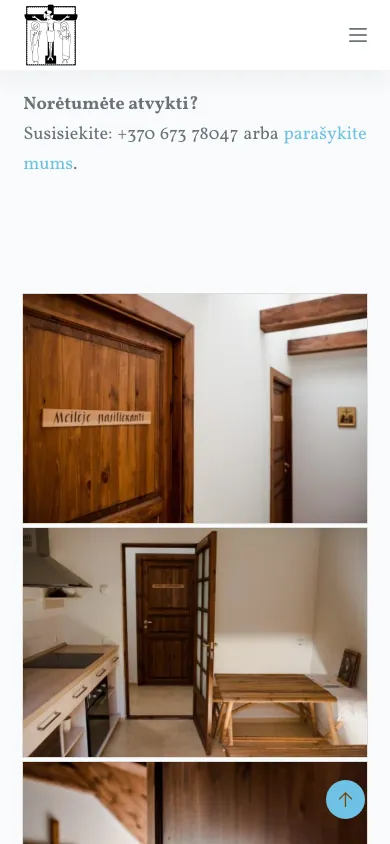
How it was built
The work.
The home page and three entry points
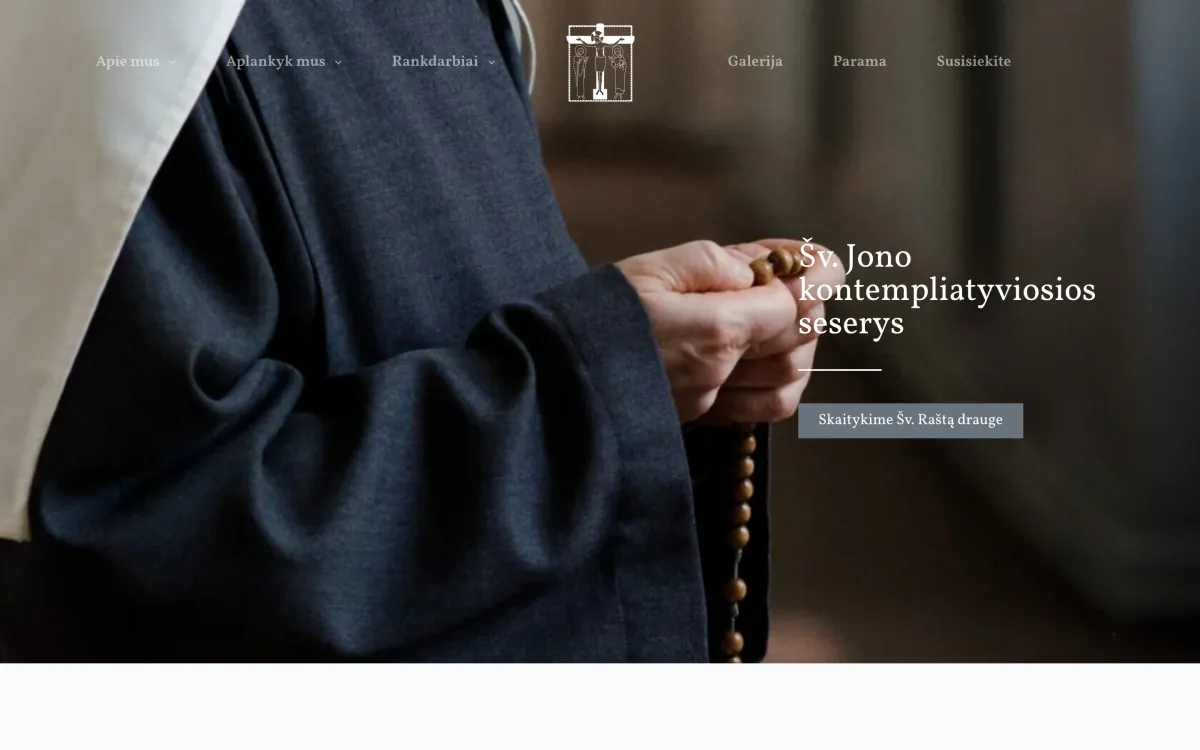
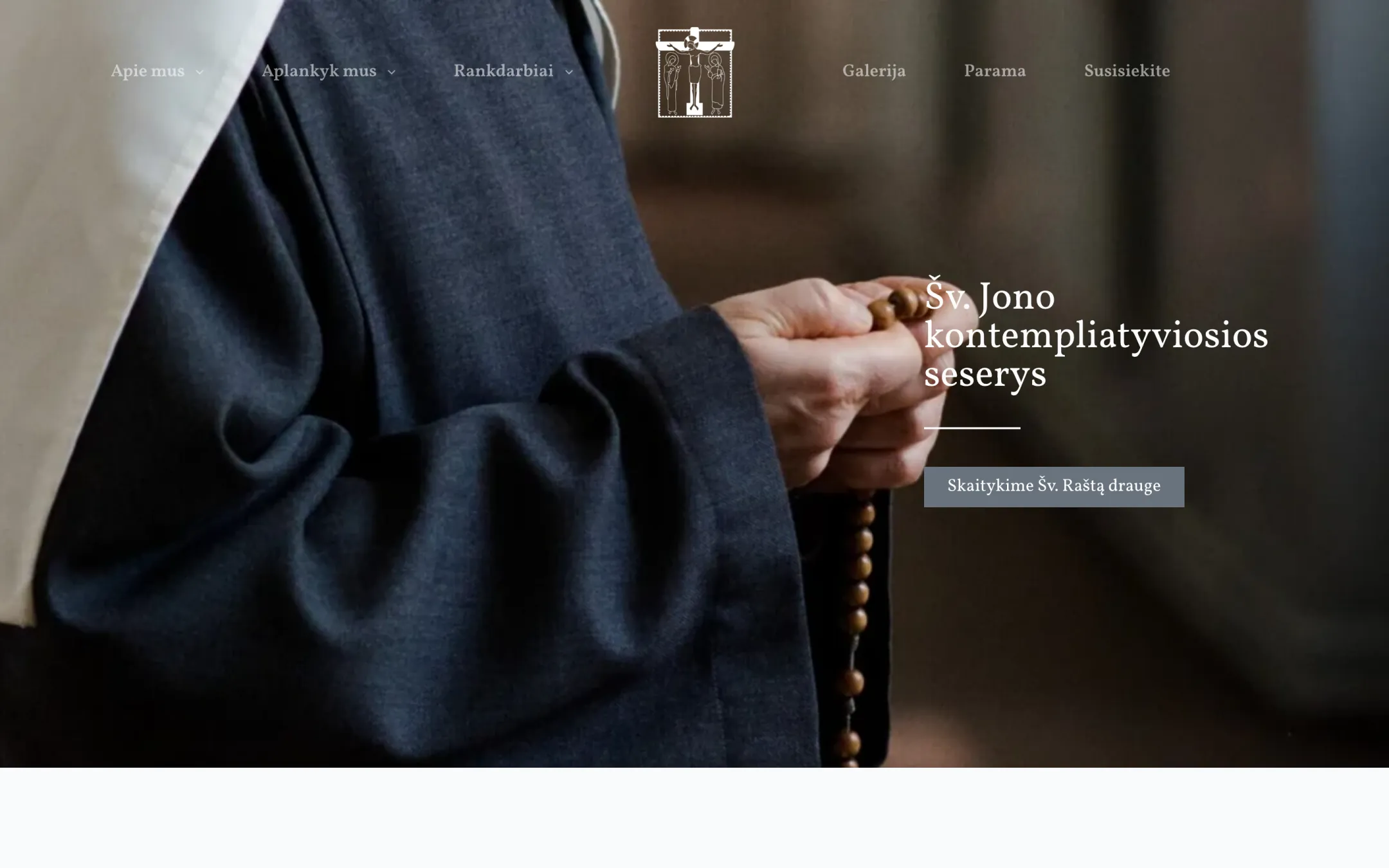
The home page opens with one full-width frame and one button. Right below it are three entry points to what people look for most: the Mass timetable, practical information with visiting hours, and the guest house. Anyone who only needs a time and an address stops scrolling there.
Further down are the same sections that also live on their own: the latest posts, the current reflection, an introduction to the community, donations and the gallery. All of it is pulled from the same content, so publishing a post updates the home page by itself.
News and readings at two different speeds
The site carries two separate streams of writing. “What's new?” is the community chronicle: retreats, visitors, anniversaries, invitations to meetings. “Readings” is slower, carrying reflections on faith in the theology of St. John.
The sisters write for both the same way, while the reader sees two separate sections with their own archives. The archives are paginated, and every card carries a photo, a date and an excerpt.
Practical information: how to find us, when to come
The way into the monastery is not through the main gates, so “How to find us?” starts with a hand-drawn map and an arrow. Next to it are the visiting hours, with a separate line saying that Saturday is the sisters' day of silence, with no visits.
The weekly timetable sits in a table: every day with its own hours. Mass times change, so they have a page of their own, and practical information only points to it. That way the timetable is corrected in one place instead of three.
Gallery, handicrafts and monastery publications
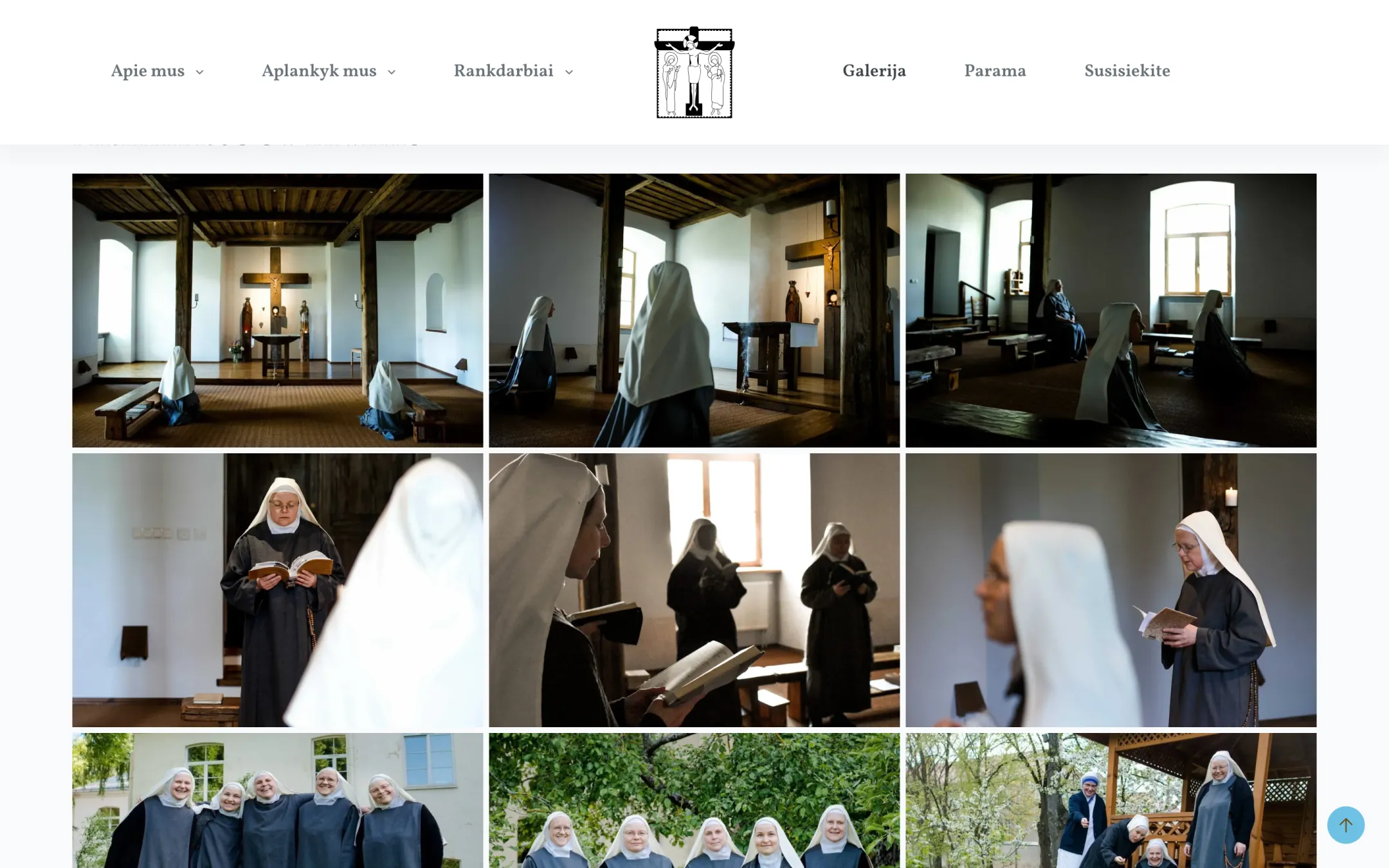
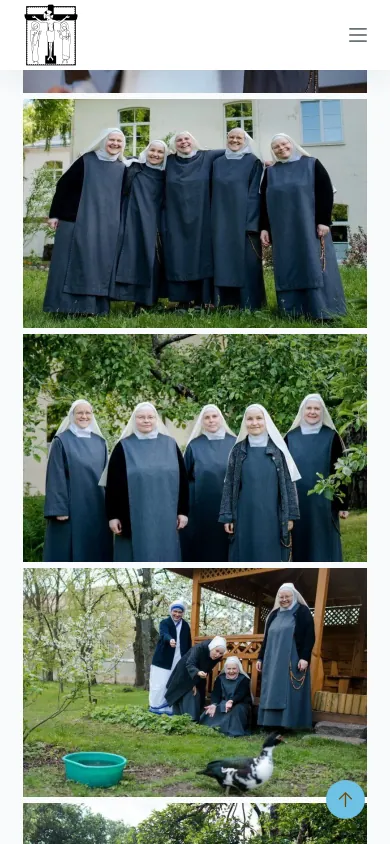
The gallery is split into three sets: moments with the community, the monastery and the garden. Photos are shown in a grid with a lightbox, and the photographer's link stays under the monastery frames.
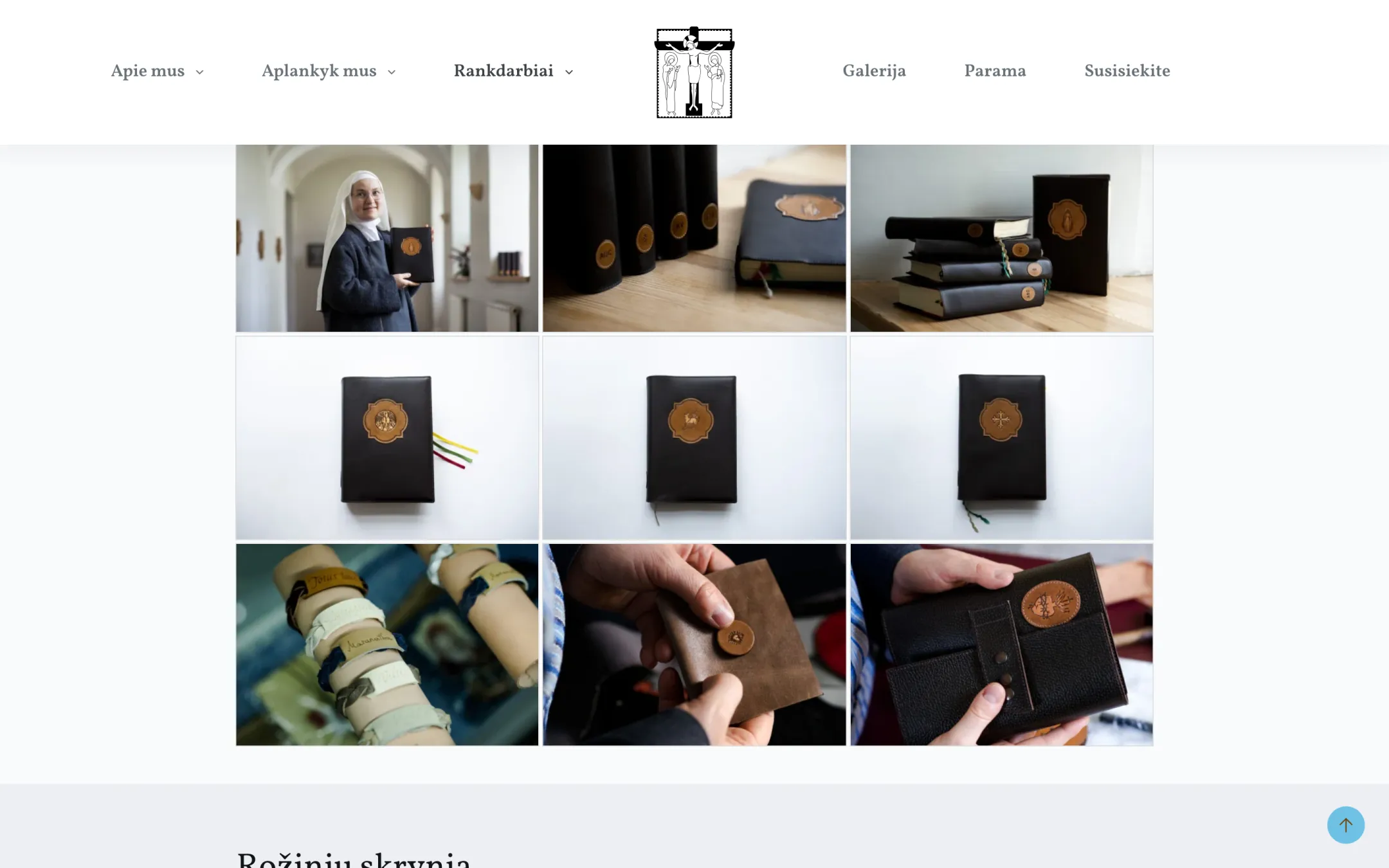
What is made by hand lives separately: the handicrafts section with the leather workshop, the rosary chest and the icon corner, and the monastery publications. Each section has its own photo, description and email address to write to, so the site needs no shop system.
Donations, contacts and editing without a developer
The donations page lists four ways, all without a middleman: a personal gift to the monastery account with the bank details in plain sight, support through a donation platform, help around the grounds, and a share of income tax to the association the sisters founded. Contacts carry two separate phone numbers and email addresses, one for the monastery and one for the guest house, so a message lands in the right place at once.
The base is WordPress. Pages are assembled from repeating blocks, so a new page can be built from an existing one without writing code. The site is in one language, with no payments and no sign-ups, and on a phone the same home page fits with no horizontal scrolling.
How to order a similar project
Are you a non-profit organisation that needs a simple, clear website? For selected projects we build it for free. Apply on the Free website page. A request is not automatic approval: we reply to every one, and if we will not take the project on, we say so.
The free scope is deliberately limited: a clear structure, core pages, news and contacts, with no payments, sign-ups or multiple languages. A commercial project is WordPress website development, and website maintenance after launch is ordered separately.